October 21, 2026
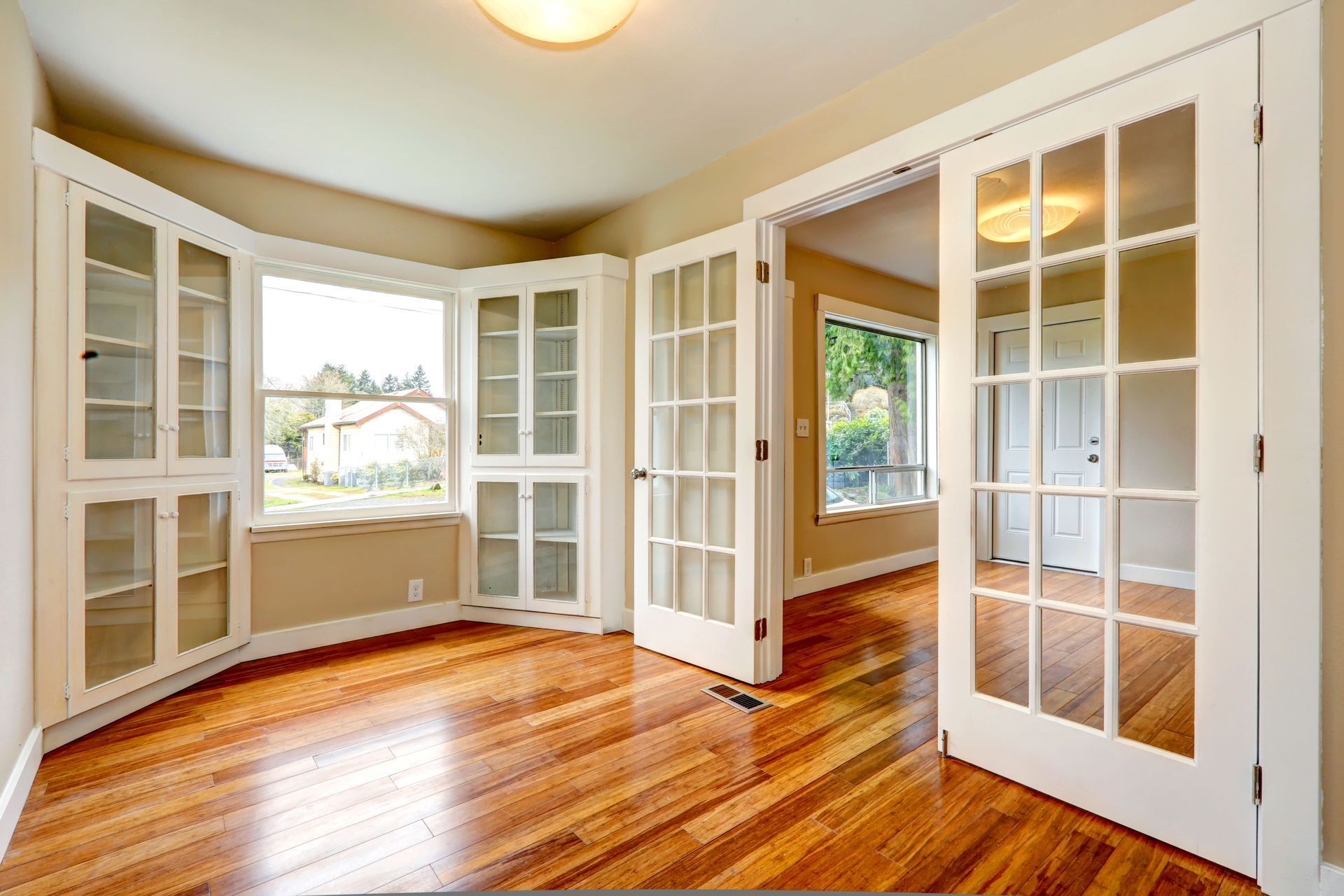
Creating a seamless look with hardwood flooring can make a home feel more spacious, coordinated, and inviting. Consistent flooring connects living areas, hallways, and adjoining rooms while complementing different interior design styles. Achieving this effect requires thoughtful decisions about wood species, colors, plank layouts, and installation methods. Considering how these elements work together helps homeowners create a unified appearance that complements their homes and supports long-term performance.
Understanding the Benefits of Seamless Flooring
Expanding Visual Space
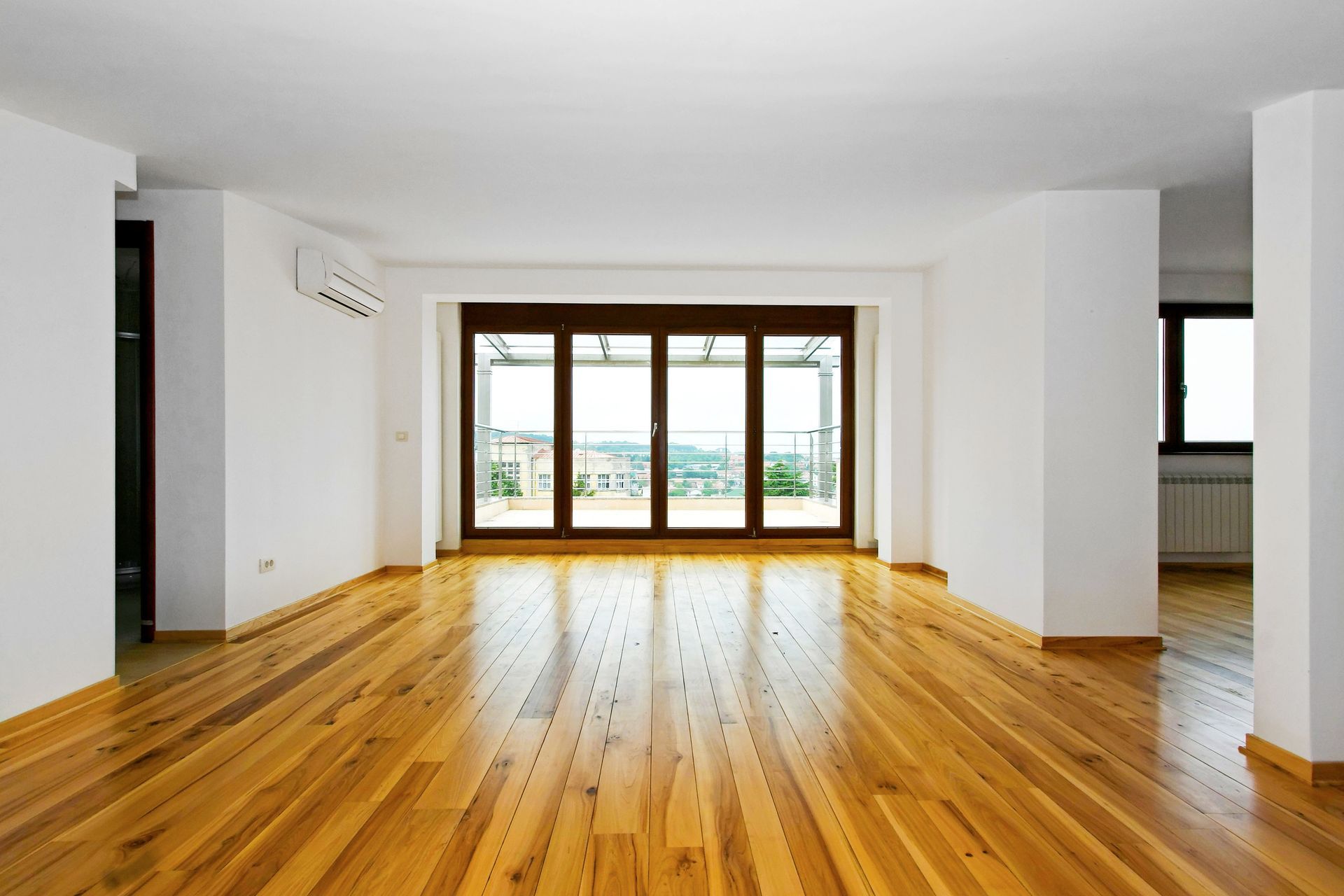
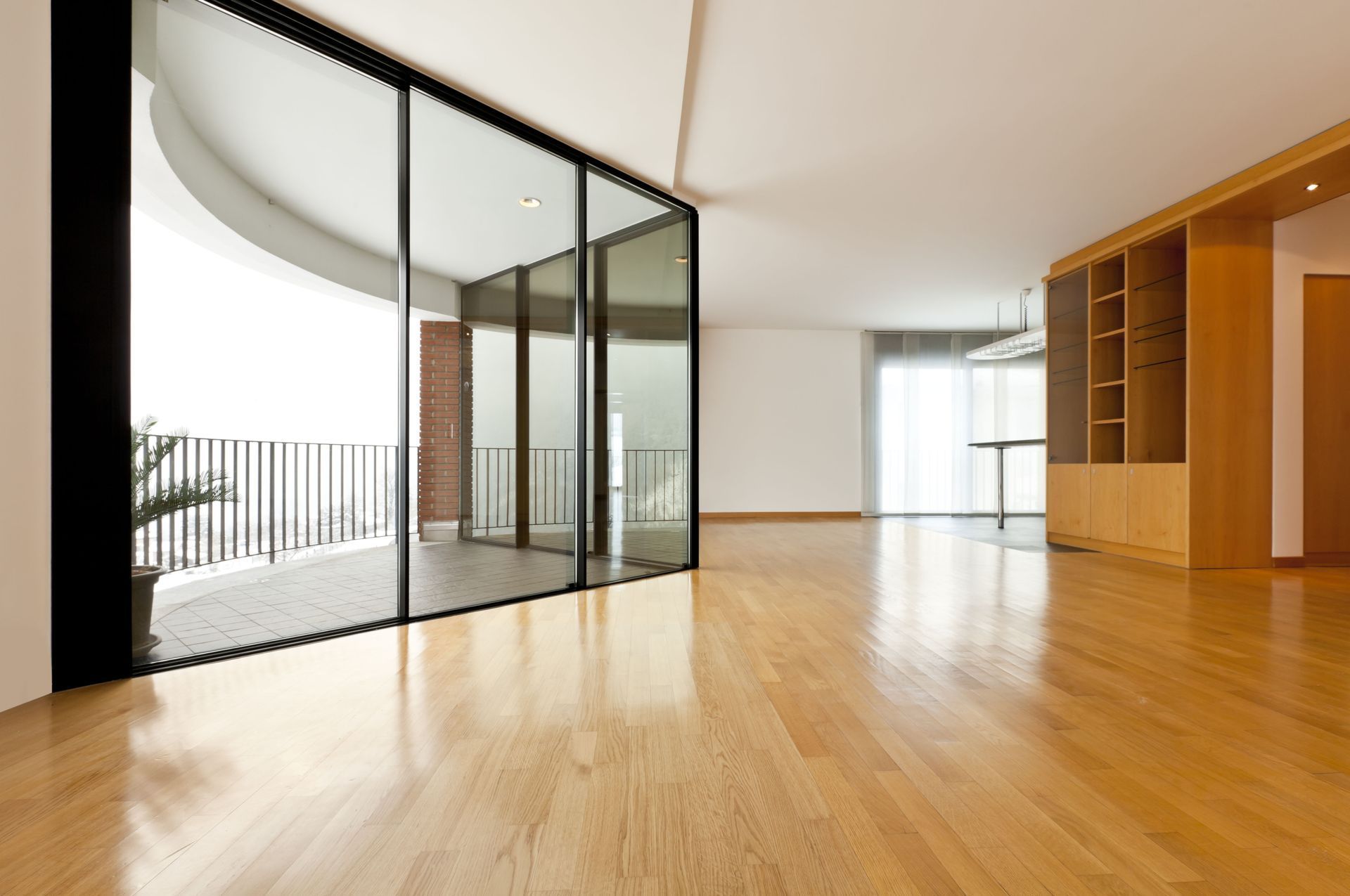
Continuous flooring creates an uninterrupted visual path between rooms, helping smaller spaces feel larger and open-concept layouts appear more connected. Consistent plank lines guide the eye throughout the home, creating a sense of continuity that benefits narrow hallways and adjoining living areas.
Consistent surfaces also highlight natural light and the wood's grain. When selecting hardwood flooring, homeowners should consider how the planks will look from different rooms and how their direction can reinforce the home's layout. This planning can make the finished space feel more open and balanced.
Increasing Long-Term Value
Quality wood floors combine durability with a desirable natural appearance. According to HomeAdvisor, solid hardwood flooring is highly durable and can last up to 100 years when properly maintained. This longevity makes material quality and professional installation important considerations for homeowners planning a lasting investment.
Consistent flooring can also give a property a polished appearance that appeals to homeowners and prospective buyers. Although flooring alone cannot guarantee a higher resale price, durable materials and proper maintenance support the home's overall presentation.
Improving Interior Coordination
Flooring provides a visual foundation for furniture, wall colors, cabinetry, and decorative accents. Using the same wood tone across connected spaces makes coordinating these elements easier. A consistent surface can also accommodate changing furniture styles and updated paint colors over time.
Rugs, lighting, artwork, and furniture arrangements can give individual rooms their own character while the flooring maintains continuity throughout the home. This balance allows homeowners to personalize each space without disrupting the overall design.
Simplifying Everyday Care
Consistent flooring materials can simplify cleaning because homeowners can follow the same general care practices throughout adjoining spaces. Fewer abrupt changes in floor height can also reduce tripping concerns.
Wood surfaces still require protection from moisture, scratches, and heavy furniture. Promptly cleaning spills, using suitable floor cleaners, and placing protective pads beneath furniture can help preserve the finish. Regular care also helps maintain a consistent appearance across connected rooms.
Choosing the Right Flooring Materials
Selecting Suitable Wood Species
Wood species influence a floor's color, grain pattern, hardness, and character. Oak offers distinctive grain and versatility, maple provides a subtler appearance, and hickory features pronounced variations that create visual interest.
When choosing hardwood flooring for multiple rooms, homeowners should consider appearance and performance. Durable species and finishes can benefit high-traffic areas, while wood colors should complement existing cabinetry, trim, and furniture. Comparing samples in the home's lighting helps reveal differences that may not be obvious in a showroom.
Coordinating Grain and Finish
Grain patterns and surface finishes affect a floor's overall appearance. Subtle grain variations create a calmer look, while pronounced patterns add character. The right choice depends on the home's style and the homeowner's preferences.
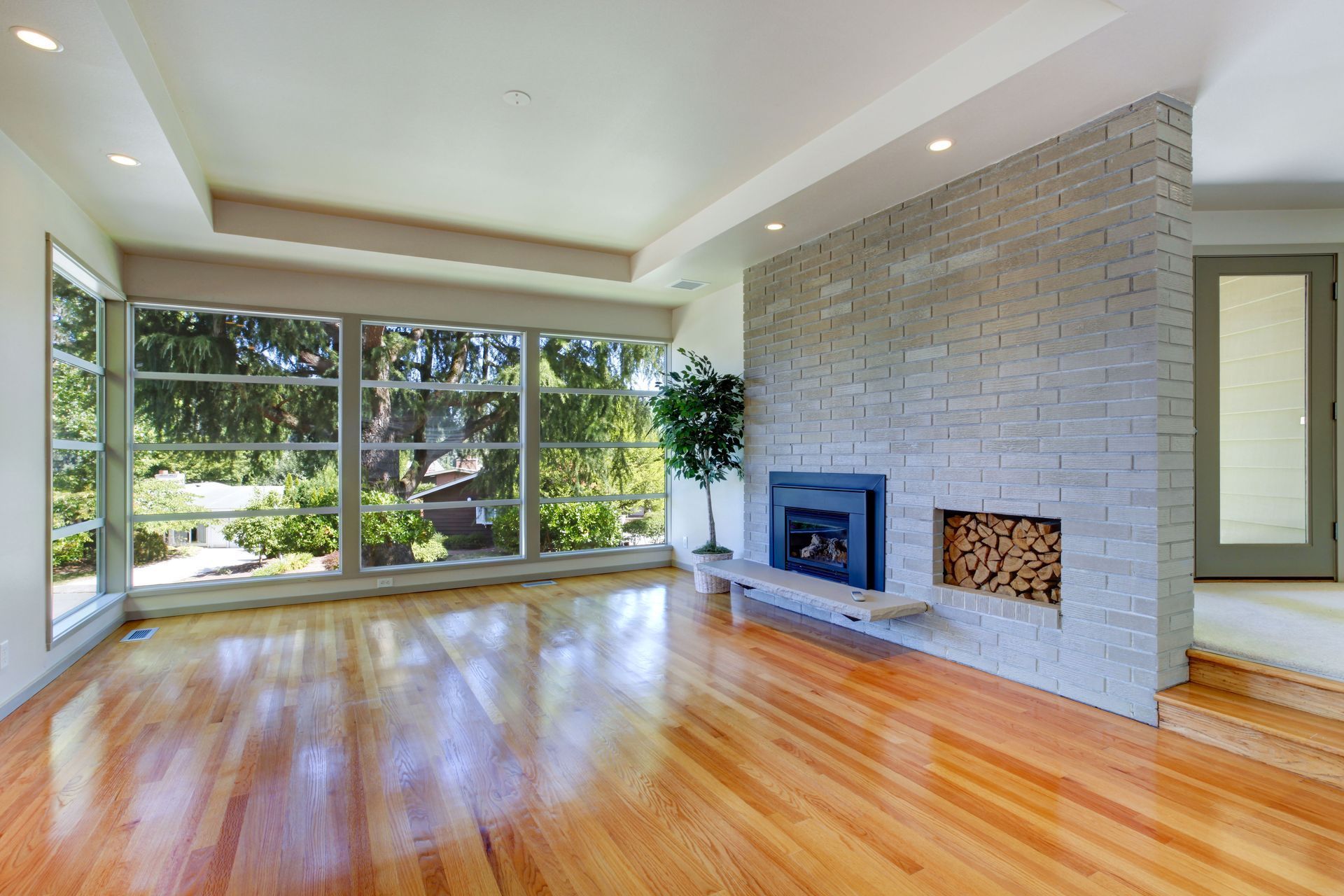
Matte finishes offer an understated appearance, satin finishes provide a gentle sheen, and glossy finishes reflect more light. A consistent finish across connected rooms supports visual harmony. Homeowners should also consider how easily each finish shows dust, scratches, and everyday wear.
Coordinating Colors and Textures
Lighter wood tones often create an airy appearance, while medium and darker shades introduce warmth and contrast. Selecting a color that complements existing finishes helps connect separate rooms without competing with other design features.
Smooth surfaces complement modern interiors, while wire-brushed or distressed finishes introduce character. Consistent textures help prevent abrupt changes in appearance. Samples should be viewed under natural and artificial lighting before making a final selection.
Comparing Solid and Engineered Wood
Solid hardwood flooring consists of planks made from natural wood, while engineered hardwood features a real wood veneer over a layered core. Solid wood can often be refinished multiple times, depending on its thickness and condition. Engineered wood offers dimensional stability that can help it perform in environments with temperature and humidity fluctuations.
The best option depends on the installation location, subfloor, and moisture conditions. Solid wood is generally intended for appropriate above-grade installations, while some engineered products can accommodate additional locations when the manufacturer permits them. A flooring professional can help determine which material suits the space and the home's long-term needs.
Establishing a Realistic Budget
A flooring budget should include materials, subfloor preparation, removal of existing flooring, installation labor, trim, and transitions. Measuring carefully and discussing these expenses before work begins can help prevent unexpected costs.
Rather than choosing materials based solely on price, consider durability, maintenance, appearance, and installation requirements. A realistic budget helps homeowners prioritize quality without overlooking essential preparation. Investing in proper installation can also help prevent avoidable repairs later.
Planning a Consistent Installation
Aligning Plank Direction
Running planks in a consistent direction through adjoining spaces often creates a straightforward visual flow. Depending on the layout, installing boards along a room's longest dimension can also emphasize its proportions.
Doorways, hallways, and changes in room shape can complicate installation. Reviewing the layout across connected areas beforehand helps identify awkward cuts and alignment issues. Planning plank direction early also helps installers create a more balanced result across the home.
Preparing the Subfloor
A stable, properly prepared subfloor is essential for successful installation. Uneven surfaces, excess moisture, and structural movement can contribute to gaps, squeaks, and other problems. Installers should assess existing conditions and address necessary repairs before laying the material.
Installation must also follow the product's requirements for acclimation, expansion space, fastening, or adhesive use. Careful preparation helps the finished floor perform as intended and supports the long-term stability of the installation.
Managing Doorways and Transitions
Not every area can be connected without a transition. Changes in floor height, adjoining materials, doorway configurations, and manufacturer requirements may call for transition pieces or expansion provisions.
Planning these details in advance helps maintain a clean appearance while accommodating the home's structural needs. Professional guidance is particularly useful when connecting rooms with different subfloors or flooring materials.
Maintaining a Cohesive Appearance
Protecting the Finished Surface
Routine care helps preserve the color, finish, and texture of wood floors. Remove dust and grit regularly with a suitable broom or vacuum attachment, clean spills promptly, and avoid excessive water that could damage the wood.
Furniture pads, entryway mats, and appropriately placed rugs can reduce everyday wear. Following the manufacturer's recommendations for cleaning products and refinishing helps maintain a consistent appearance over time. These habits also help protect the investment in hardwood flooring.
Planning for Future Updates
Neutral wood tones and versatile finishes can complement changing furniture styles, wall colors, and accessories. When planning renovations, homeowners should consider how new cabinetry, room additions, or altered doorways will interact with existing flooring.
Keeping product information and installation details can simplify future repairs by making it easier to identify matching materials and finishes. This preparation can be especially helpful if a damaged section needs attention years after installation.
Creating a Connected Home With Professional Installation
A seamless floor design depends on wood species, finish, plank direction, subfloor preparation, and transitions. Considering these elements together helps homeowners achieve an attractive, coordinated appearance that suits their layout and daily needs. Thoughtful planning also helps ensure the selected materials work well with the home's existing features.
For guidance on selecting materials and planning a coordinated installation, contact Espinoza Flooring Inc. A professional consultation can help you evaluate your home's requirements and choose hardwood flooring that combines visual continuity with lasting performance.